

RCMP warn of CRA tax scam and other frauds
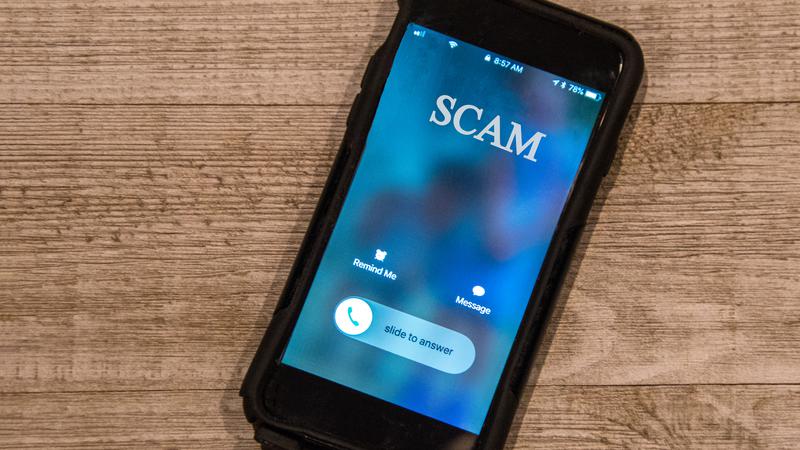
As part of Fraud Prevention Month, and since tax season is in full swing, the Vernon North Okanagan RCMP is reminding people to protect themselves from tax related scams and frauds.
The RCMP say the most common scam that circulates this time of year is the Canada Revenue Agency, or CRA scam, which tricks the victim into paying a sum of money or disclosing their personal or financial information.
That scam typically starts with the victim receiving a call from someone claiming to be from the CRA saying there is an outstanding tax amount due. They will ask for a payment using credit card, e-transfer, gift cards, or other forms of quick monetary payment.
In most cases, the fraudster will attempt to pressure the victim by threatening arrest, jail or financial sanctions if they don’t comply.
The RCMP say along with the risk of losing money, giving up personal information to the fraudsters, such as a social insurance number, could result in identity theft.
“The CRA scam is not new, but at this time of year with tax returns on our minds and to-do lists, it tends to pop up a lot more often,” stated Constable Chris Terleski, media relations officer.
“As is the case with any scam, education and awareness are key to prevention. The earlier you are able to recognize you are being targeted, the quicker you can take action, and the better chance you have of being able to shut down the scam and not become a victim.”
The RCMP has a number of tips to help people avoid the CRA or other financial scams:
- Verify the legitimacy of any communication by contacting the CRA directly at 1-800-959-8281
- The CRA will never request prepaid credit cards, gift cards or cryptocurrency as payment
- The CRA will not send emails or text messages containing a link to a payment request or tax fraud
- The CRA will never ask for information about passports, health service cards, driver’s licenses or social insurance numbers
- The CRA will never leave personal information on a voicemail
Anyone who has shared personal information with a suspected fraudster is advised to contact Equifax and Trans Union to place fraud alerts on their account.
People who have shared banking information with a scammer are advised to contact their financial institution to place alerts on all their accounts.
Anyone who has been a victim or has been targeted by a scammer is also asked to report it to local police and to the Canadian Anti-Fraud Centre.