

Expert panel urges action to combat toxic drug deaths
A panel of experts organized by the B.C. Coroners Service is urging the government to take action to prevent more deaths from toxic drugs.
The panel is calling for increased access to a safe drug supply and the creation of an evidence-based continuum of care to support substance users.
The recommendations come from the B.C. Coroners Service Death Review Panel: A Review of Illicit Drug Toxicity Deaths report that examined the circumstances of 6,007 deaths from toxic illicit drugs between August 1, 2017, and July 31, 2021. The report found the primary cause of death was the “growing toxicity and unpredictability of the street supply of drugs. The current drug policy framework of prohibition is the primary driver of this illegal, unregulated and toxic street supply.”
The coroner’s service said toxic illicit drugs is now the leading cause of death in B.C., accounting for more deaths than homicides, suicides, motor vehicle incidents, drownings and fire-related deaths combined.
The findings of the panel show that illicit drug deaths are increasing in both number and rate and that the drug supply has become increasingly toxic.
There have been increases in drug toxicity deaths among younger adults, and with an average age of death is 42, it is now the second highest for potential years of life lost after cancer.
The report also found that Indigenous Peoples and people with mental health disorders or poor mental health are disproportionately represented in drug toxicity fatalities, and that individuals living in poverty and with housing instability are more vulnerable.
The most common drug consumption method that led to the deaths was smoking.
The report found that 85 per cent of the deaths involved fentanyl, many also included other substances. It was also noted that benzodiazapenes, which negates the effectiveness of Naloxone, were detected in 48 per cent of all drug deaths in July of 2021, up from the 15 per cent contamination found in July of 2020. May of 2021 had the highest level of benzodiazapene contamination on record, contributing to 59 per cent of illicit drug deaths in B.C.
While most of the deaths occur in large urban centres like Vancouver, Surrey and Victoria, the issue can be found across the province, including in rural areas.
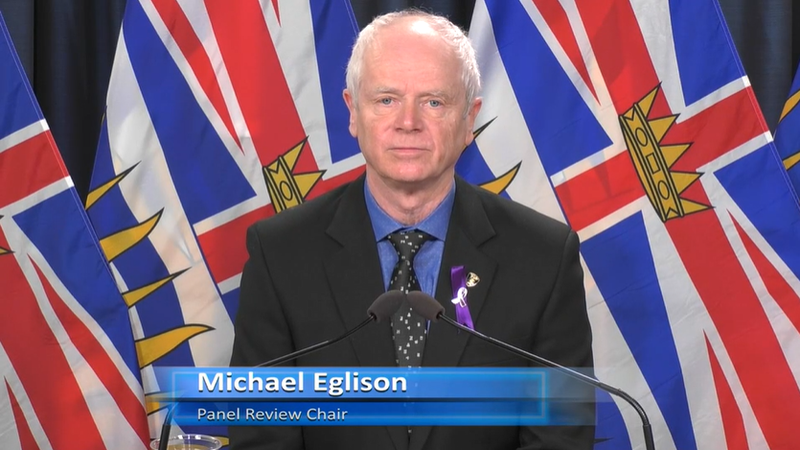
“This report includes realistic, actionable recommendations that the panel believes will reduce the number of people dying due to toxic, illicit drugs in our province,” said Michael Egilson, death review panel chair.
“We recognize that many of the timelines in the report are aggressive, but COVID-19 has demonstrated how swiftly policy-makers can act when lives are at stake – and we know that every month of inaction equates to hundreds more lives lost.”
The panel has issued three recommendations o implement to help reduce the number of toxic drug deaths in B.C.
- Ensure a safer drug supply to those at risk of dying from the toxic illicit drug supply by May 9, 2022
- Create a provincial framework for supply distribution
- Expand safer drug supply throughout B.C. so it can be accessed in all communities
- Identify eligibility criteria for accessing safer drug supply or pharmaceutical alternatives
- Provide a range of medication options
- Ensure there is oversight, monitoring and timely evaluation
- Increase engagement
- Connect more users to health and social services, including substance use treatment
- Ensure high-quality and fast drug checking services are available and accessible across B.C.
- Develop a 30/60/90-day Illicit Drug Toxicity Action Plan with ongoing monitoring by May 9, 2022
- Develop and implement a strategic management and governance framework that sets specific goals and targets
- Identify roles and responsibilities of partners
- Develop a public health framework for oversight, monitoring and regulation
- Establish metrics to identify relevant needs, levels, availability and accessibility of substance use services and treatment
- Enhance data and information sharing across sectors and programs
- Develop and implement a broader communications and public reporting strategy
- Request federal exemption from Section 56(1) CDSA to decriminalize personal possession of illicit substances
- Establish an evidence-based continuum of care
- Complete the framework for establishing a substance use system of care by June 9, 2022, and have it implemented by Sept. 9, 2022
- Develop a practice standard to support health care providers
- Invest in health care provider training programs
- Develop and implement a data driven system of monitoring
- Work with evidence-based medicine organizations to create guidelines for safer prescribing of psychoactive medications
- Review and revise policies that discourage workers from seeking support for substance use disorders
- Identify roles and responsibilities of partners by March 9, 2023
“I recognize the BC Coroners Service and panel members for their report on the devastating deaths in our province due to illicit toxic drugs. We know we must do more to combat the illicit toxic drug crisis, and our government is working hard every day to end this public-health emergency,” said Minister of Mental Health and Addictions, Sheila Malcolmson, adding that the report calls for the creation of an evidence-based continuum of care to deliver mental-health and substances services, including safer supply, which the province is already working towards.
“We agree that one of the most important actions we can take to save lives is to separate people from the toxic drug supply. That’s why B.C implemented in 2020, and expanded in 2021, a safer supply program – the first and only province in Canada to do this,” said Malcolmson.
“Since the federal government regulates controlled drugs and substances, we are focused on what we can do within our provincial jurisdiction – a prescribed safer supply model implemented through health authorities.”
She also acknowledged that the current drug policy of prohibition is contributing to an increase in substance-related emergencies and deaths, and that the province is treating substance use and addiction as a health-care issue, not a criminal one.
“We are the first and only province to apply to decriminalize people who use drugs. Decriminalization will reduce the fear and shame that keeps people silent and leads so many to hide their drug use and avoid treatment and support,” said Malcolmson.
“There is more to do along the entire continuum of care to end the poisoned drug crisis, including treatment and recovery, harm reduction and mental-health supports. We won’t stop working until we turn this crisis around.”
The panel’s members, who were appointed by B.C.’s Chief Coroner, Lisa Lapointe, include professionals with expertise in public health, health services, substance use and addiction, medicine, mental health, Indigenous health, education, income assistance, oversight and regulation, and policing.