

Algae blooms in lakes can be poisonous
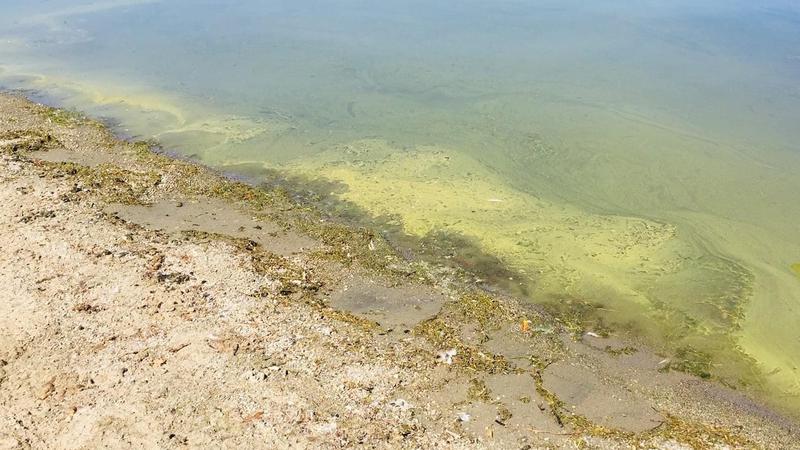
It’s the time of year when algae can grow on lakes and may form a bloom, which can be hazardous to the health of people and pets if they swim in it or drink it.
Blue-green algae, or cyanobacteria, is naturally-occurring but can produce several types of toxins that can be poisonous to people, pets or livestock. Cyanobacteria blooms often cause the water to look bad and may also smell bad.
Two of the most important ways to reduce the risk is to rinse off with clean water after swimming and do not consume lake water. As well, follow these additional precautions:
- If there is a bloom always use caution. Avoid all direct contact with a bloom. If contact is made, it is important to rinse your body with clean water;
- If you see a bloom recreational activities are discouraged, such as swimming;
- Consider using an alternate source for drinking water if the bloom is in your drinking water source. Boiling the water will not remove any toxins. Contact your water supplier for more information;
- Consider providing pets and livestock with an alternate source of drinking water.
You can report an algae bloom online with the Province of BC Algae Watch to have it identified.
Interior Health does not routinely test water of algae blooms to find a type of algae or its toxin. Algae blooms can change all the time.
If you’re showing any of the symptoms listed below and believe they may be from exposure to cyanobacteria, see your health care provider: headaches, nausea, fever, sore throat, dizziness, stomach cramps, diarrhea, abdominal pain, vomiting, muscle aches, mouth ulcers, blistering of the lips, rashes and irritation of the ears and eyes.
For more information on algae, visit Health Link’s Blue-green algae page.