

Interior Health’s interactive maps help communities plan for climate change
Interior Health is helping communities explore and plan for the impacts of climate change by launching new interactive maps.
The Community Health and Climate Change maps will help governments and partners in municipal planning understand climate sensitive areas that could impact their building or expansion projects.
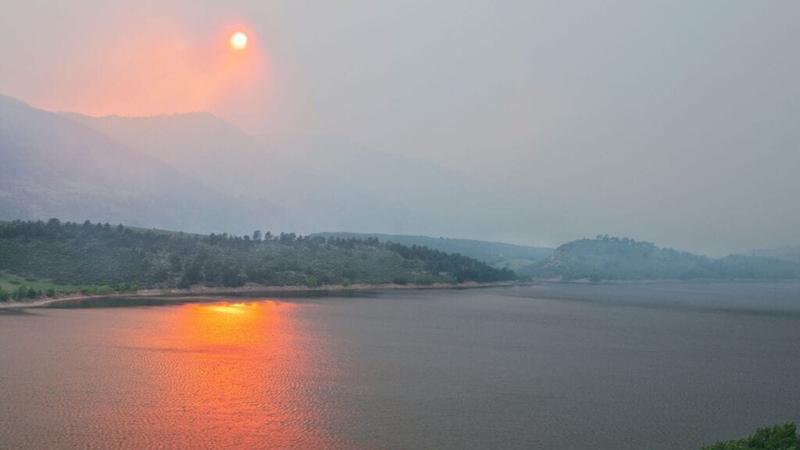
The maps focus on four commonly experienced climate-related hazards: high temperatures, low temperatures, flooding, and wildfire smoke.
“Recent events have demonstrated the importance of planning and preparing for natural disasters associated with climate change,” said Interior Health president and CEO, Susan Brown.
“These new Community Health and Climate Change maps will support the safety and well-being of people living across the region and we encourage everyone to take the opportunity now to plan for the effects of climate change.”
Maps have been developed for each of the regional districts to help local leaders understand the impact of climate change.
“The maps show the communities that are most vulnerable to different climate hazards and allow us to focus our efforts and work together to plan and prepare,” said Dr. Sue Pollock, Chief Medical Health Officer.
“For example, the maps show communities that may be more affected by heat; this information helps us identify appropriate actions that communities can take in order to keep people healthy and safe.”
The maps provide a snapshot in time that project risks and probability of weather-related events in the Interior.
They can be used to support affected communities through readiness and planning and build resilience through scenario-based planning for mitigation and natural disaster supports.
The maps can also be used to help effectively allocate resources during natural disasters.
Interior Health added the maps will also deepen collaboration with Indigenous and non-Indigenous communities as it works towards supporting healthy communities as the climate changes.