

Okanagan remains dry and at risk for fires heading into summer
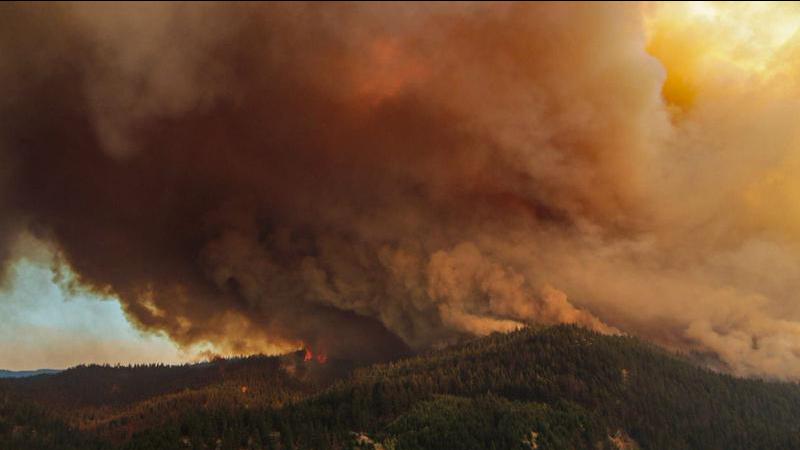
The June wildfire seasonal update shows that the Okanagan is among the most at-risk region in the province.
Matt MacDonald, lead forecaster from the B.C. Wildfire Service, stated that most of the province had temperatures two to three degrees cooler than normal in May, and most had wetter than usual weather over the month as well, which has created a slower start to the wildfire season.
However, there are some sections of the province that are considered dryer than usual.
“That signal starts in the Southern Cariboo, extends down through the Lower Thompson, up and down the Okanagan and into the Boundary region, and then portions of the Rocky Mountain Trench from approximately Cranbrook up to Fairmont Springs has also been dryer than normal, ” said MacDonald.
“Those will be parts of the province that we’ll be keeping a close eye on here as we head into summer.”
To date, there has been a total of 137 fires in B.C. this wildfire season, which is approximately 60 per cent of typical fire activities compared to the five-year average, and less then half of the 25 year average. The fires this year have burned just over 600 hectares of land, which is only five per cent of the 25 year average.
Looking ahead to the summer, MacDonald said there is a limitation to predicting long-range precipitation levels, though there is a signal for wet weather to continue.
“As we get into June, it’s looking like it will resemble a lot of what we saw in May with a persistent cool and wet pattern, particularly for the southern two-thirds of the province, whereas the verdict is still out for the northern parts,” said MacDonald.
He added the long-term summer forecast is not very clear, but it is believed that July will see a return to seasonal averages in temperature and precipitation levels in the first half of the month, increasing to warmer than average temperatures in the second half.
“That signal becomes a little bit more clear if we look at the August charts. There’s a lot better agreement (between Environment Canada and international weather agencies) as we head into the latter half of summer that we’ll be looking at a warmer than normal end of summer.”
It was noted that a majority of wildfires in B.C. are caused by lightning strikes, but they can also be sparked by humans.
People are reminded to fully extinguish campfires, not discard smoking materials haphazardly, and to be cautious in hot and dry conditions in order to reduce the risk of a wildfire starting and spreading.
Wildfire forecasters will also be on the lookout for extreme weather events, as they can lead to increased fire risk, though MacDonald stated that those events can only be spotted, at the most, two weeks out.
Forests Minister Katrine Conroy also mentioned during the seasonal update that Emergency Management B.C. will be rolling out upgrades to Emergency Support Services this year that include providing e-transfers for eligible wildfire evacuees, with more details on the upgrades expected in the coming week.
British Columbians are also being encouraged to undertake FireSmart activities on their properties to help protect them from any damages related to wildfires this summer.