

What you can do to keep mosquito numbers low
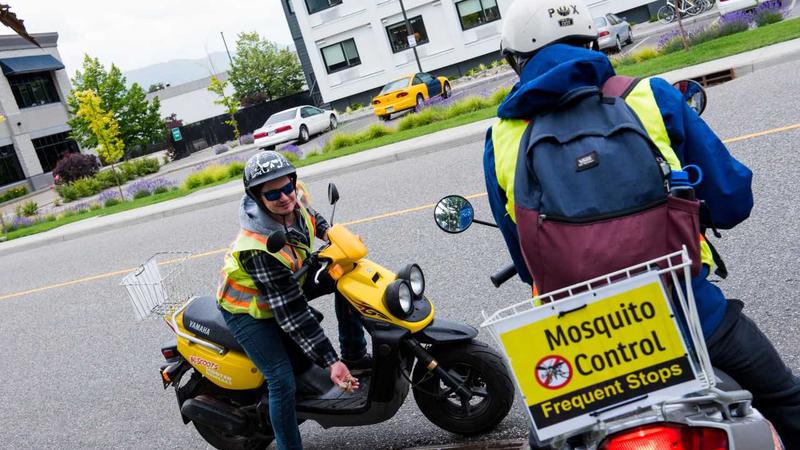
Residents are asked to do their part to keep mosquito numbers low by removing any standing water sources in their yards.
Even a few millimetres of water can be enough for mosquito larva to hatch and become biting adults.
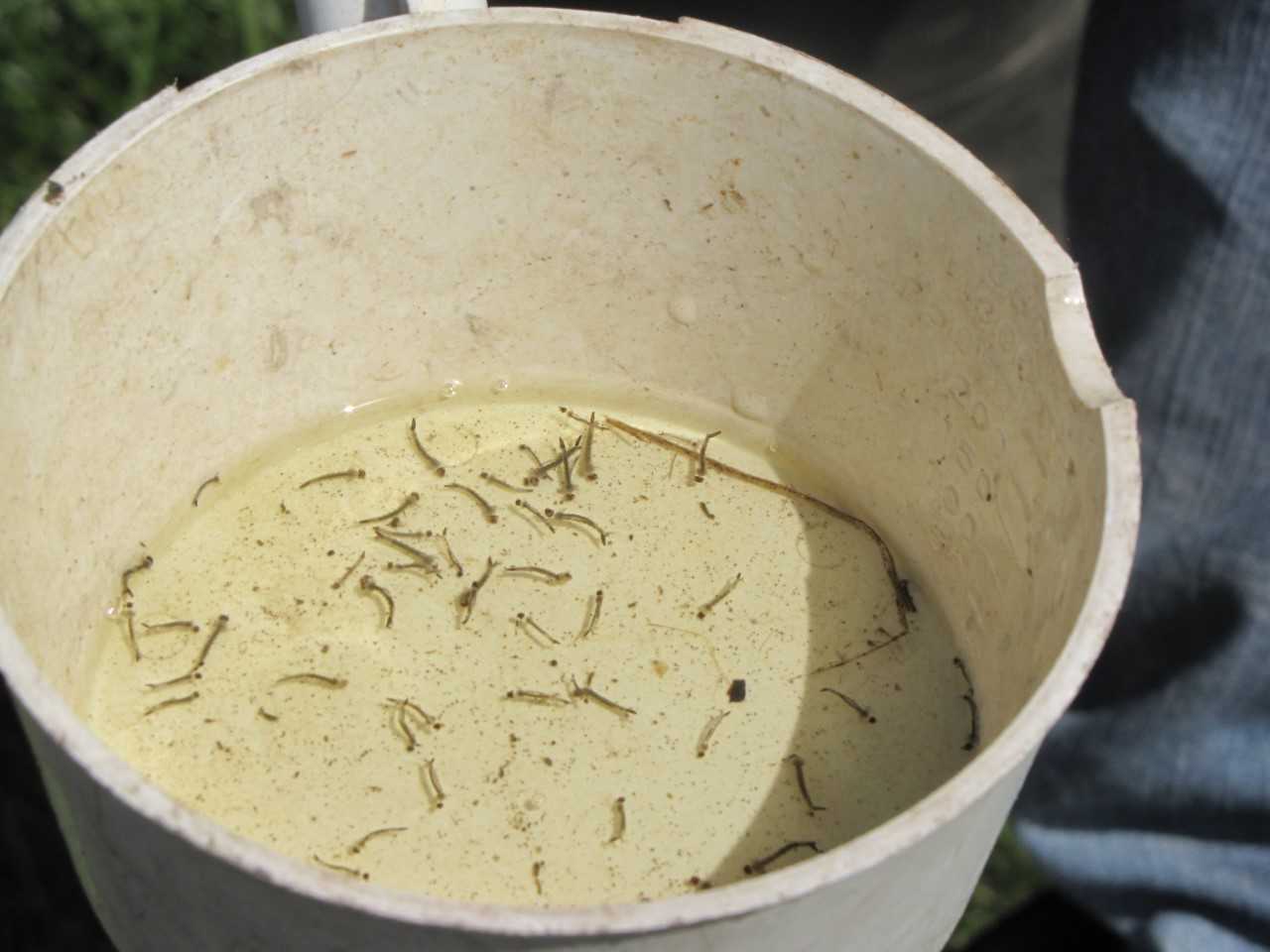 Mosquito larvae (Photo credit: RDCO)
The Regional District of Central Okanagan says with cooler weather this spring, nuisance mosquitoes are still present. As mosquitoes usually peak between mid-June and the end of July, steps you take now around your property can help make for fewer bites this summer.
Help reduce mosquito development and hatches by:
- Remove any standing water sources and unused items that collect water such as old tires, plant pots or garbage cans – just a few millimetres of water is all that’s needed for mosquito larva to survive and hatch
- Cover rain barrels with a screen so that mosquitoes can’t lay their eggs in the water
- At least twice a week change the water in birdbaths, wading pools and pet bowls
- Remove any water that sits in unused swimming pools and on swimming pool covers
- Aerate water in ponds or add fish that will feed on mosquito larvae
The RDCO Mosquito Control program says residents can also protect themselves in a number of ways:
- Use approved repellents
- Wear loose-fitting, light-coloured clothing
- Minimize activities near treed and bushy areas at dawn and dusk when adult mosquitos are most active
- Repair and replace any window screens to help prevent mosquitoes entering your home
For several years, trained professionals from Duka Environmental Limited have been providing mosquito control to the RDCO to those areas that help fund the program.
“The program is designed to control, not eliminate mosquitoes,” said President Curtis Fediuk. “Following COVID safety measures, we’ve been out in the field since mid-April monitoring 280 known mosquito breeding locations. When we find mosquito larvae developing, we apply a bacterial larvicide that controls the larva before they become biting adults.”
During late June and July, the program also controls mosquito development by monitoring and if necessary, treating more than 12,000 roadside catch basins located along public roadways and residential streets.
Residents in the participating areas of the program (City of Kelowna, District of Lake Country, District of Peachland, Central Okanagan East, Westbank First Nation and a small section of West Kelowna Estates in the City of West Kelowna) can report mosquito concerns by completing an online form at rdco.com/mosquitoes or calling Duka Environmental at 1-800-681-3472.