

Forests minister outlines new vision for forestry in B.C.
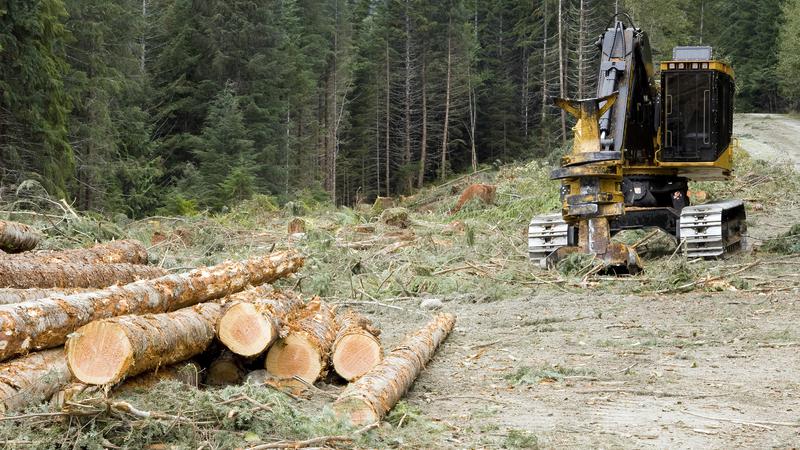
Proposed changes to British Columbia’s forest policy will increase the province’s ability to fight climate change, protect old growth forests and share the benefits with First Nations and local communities.
So says Forests Minister Kartrine Conroy who introduced changes to the Forest and Range Practices Act on Wednesday, a day before she spoke about the changes in an interview with Vernon Matters.
Conroy said the legislation will put a priority on forest health which she said is “critically important.”
“One of the parts of the legislation is we’re going to be developing new forest landscape plans and moving away from the existing forest stewardship plans. And those landscape plans are going to be developed with the government, with our chief forester, as well as with Indigenous Nations on whose traditional territories are the forest area, the tree farm license area, where that is.”
Conroy said First Nations will have direct input on the plans, and there will smarter eco-system-based management of forests.
“It’s going to provide people with more information about our plans for forests and create more opportunity for public engagement on harvesting plans which I know has been an issue in Vernon in the past,” said Conroy, MLA for Kootenay West.”
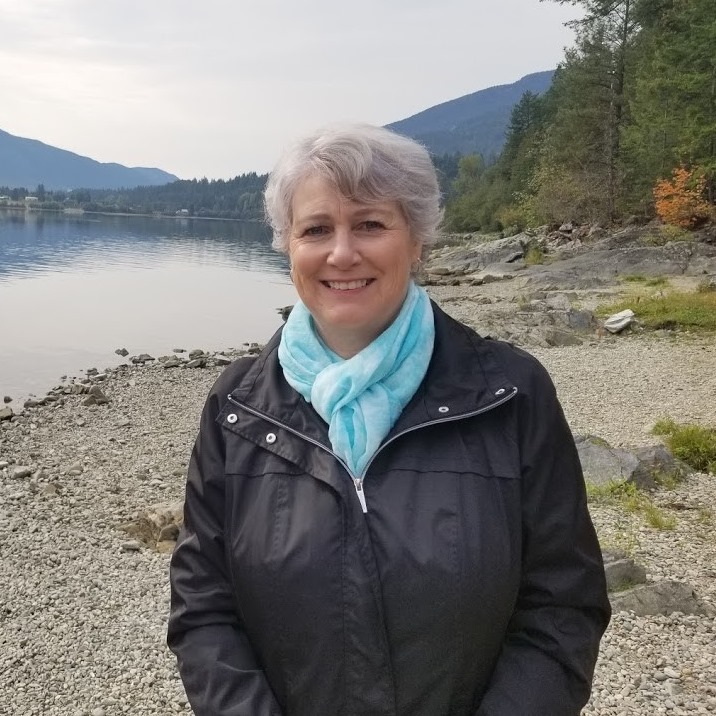 Katrine Conroy, Forests, Lands, Natural Resources Operations and Rural Development Minister (submitted photo/Facebook)
The minister said companies like Tolko Industries will be able to develop forest operation plans.
“They’ll develop that and they’ll be able to align with the forest landscape plan, that will show where they will harvest, what they will harvest and how they will do it, and show where they will be building roads.”
Conroy explained, at present, the government doesn’t really have a say on where companies build roads.
“That has created issues in the past, so we need to make sure we have a say. We want to keep footprints in the forests small.”
Conroy cites an example of two different companies that had cutblocks beside each other that built two different roads parallel to each other instead of having one road.
“It just doesn’t make sense so we want to make sure that we are keeping the forest health front and foremost, but also working with Indigenous Nations and making sure people have a say in the plans around forests in your community.”
Conroy said the feedback has been “fairly good” since the proposed changes were announced Wednesday and stakeholders are cautiously optimistic.
“The Council of Forest Industries, they previously stated that after 20 years, they support modernizing and strengthening forest policy to ensure we have a strong sustainable competitive forest sector.”
The minister also said Chief Troy Baptiste from the ?Esdilagh First Nation near Quesnel, is also very supportive.
“They’re actually doing one of the pilot projects that we have going of our forest landscape plan and they recognize how well it’s working with industry, with community and with themselves.”
Vernon Matters reached out to Vernon-based Tolko Industries for comment on the proposed changes, and the response was positive.
“Tolko applauds the Government of B.C.’s efforts to modernize the forest sector while ensuring our forests are sustainable for future generations and that our management practices assist in the fight against climate change,” said Chris Downey, communication advisor. “Some of the most material changes that were announced are those enshrining the Indigenous Nations as full partners and decision makers in the forest sector. Our communities are essential to the success of this sector, and the changes are a step in ensuring it remains a driving economic contributor in B.C.”
Downey added Tolko looks forward to working collaboratively with the B.C. government and the various Indigenous Nations on transitioning to this new vision for the forest sector.