

Province temporarily defers harvest of old-growth in 2.6 million hectares of B.C. forest
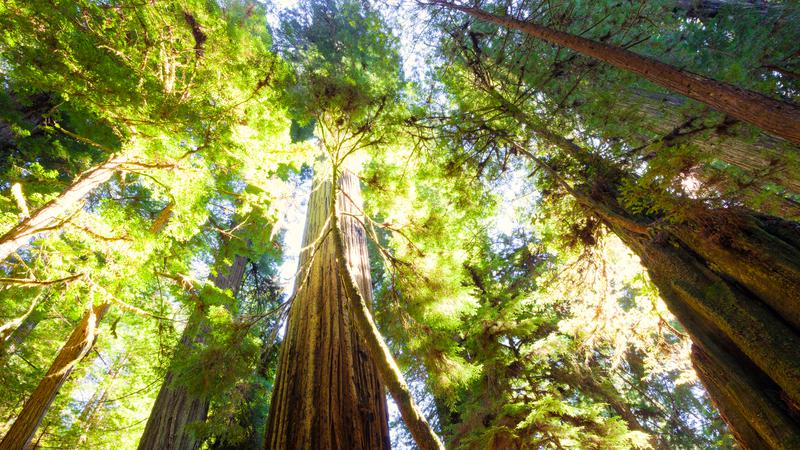
The British Columbia government is moving ahead with recommendations from the 2020 Old Growth Strategic Review, by temporarily deferring harvest of old-growth in 2.6 million hectares of B.C.’s most at-risk old-growth forests.
Logging deferrals are being issued at a number of different forestry sites while consultations can be held.
“Our focus for this 2.6 million hectares is to work in partnership with First Nations on the deferral of the most at-risk old-growth forests in their traditional territory,” said Katrine Conroy, the Minister of Forests, Lands, Natural Resource Operations and Rural Development.
“These deferrals will allow time to develop a new approach for how we care for our forests to better serve all of our goals. We need to make sure that we get this one right.”
These forest areas, which have been mapped and defined by a panel of independent scientific and ecological experts, are located throughout the province. Gary Merkle, one of the members of the Old Growth Technical Advisory Panel which developed the Strategic Review, said they are mainly concentrated in the areas that are at risk of irreversible biodiversity loss.
“These old trees live on old ecosystems. The old forests in British Columbia, the old forests and old trees range from about 200 to 1,200 years old. Some of our ecosystems in British Columbia have remained relatively undisturbed since the last ice age, more than 10,000 years” said Merkle.
“Many of these forests are possible because of the ecosystems that they live on, and while we love those trees, without those underlying ecosystems, we don’t get these forests.”
Merkle added that while new trees can be planted, the underlying ecosystems are not renewable and may never come back as climate change continues to impact the natural environment.
He noted that this temporary halting of forestry practices will allow for planning to be done and to find the ways that would best preserve ecosystem health.
To support the deferral process, government will immediately cease selling B.C. timber sales licenses in these areas.
“This will help prevent harvesting of our most at-risk old-growth forests while discussions with First Nations are underway,” said Conroy.
It’s expected that the deferrals could put up to 4,500 jobs across B.C. at risk should the discussions find that the entire 2.6 million hectares in question need to be preserved.
“In response, we are developing a comprehensive suite of coordinated programs to support workers and communities,” said Conroy.
“These supports will focus on a forest employment program aimed at creating short-term employment opportunities; skills training and educational opportunities; funding to support workers [aged] 55 plus interested in bridging to early retirement; supports for job creation in rural B.C. through value added forestry and Made In B.C. manufacturing; local infrastructure and economic development projects that promote diversification and resilience; and community rapid response teams to coordinate community strategic planning and support.”
More specifics on these programs are expected to be released in the coming weeks.
The government is also working on creating approaches for old-growth forest management, which will be done in collaboration with First Nations, local communities, workers and local industry.
Environmental and business groups are both criticizing the government’s new plan to defer logging in old-growth forests.
The Wilderness Committee says the approach is long on good intentions but lacks any concrete action in the immediate term to protect irreplaceable forests that are still being cut down every day.
The B.C. Council of Forest Industries says if fully implemented, the logging deferrals will lead to the loss of 18,000 jobs and more than $400-million in government revenues a year.
The council says its analysis indicates the plan would result in the closure of 14 to 20 sawmills, along with two pulp mills and an undetermined number of value-added manufacturing facilities.
(With files from The Canadian Press)