

British Columbians encouraged take steps to prevent carbon monoxide poisoning
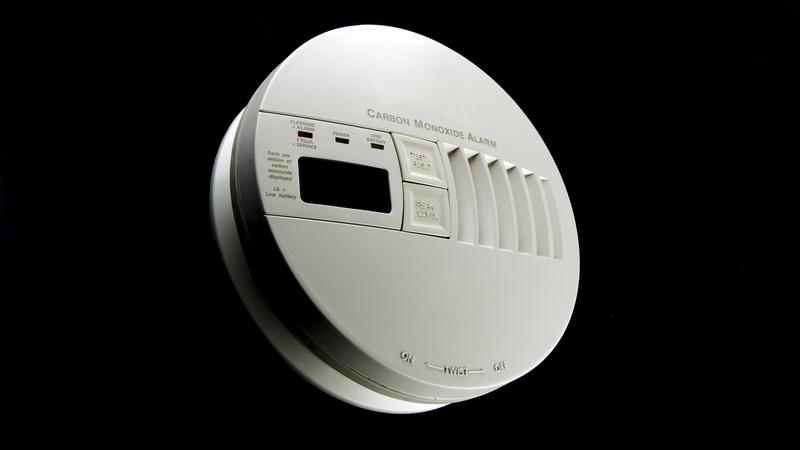
British Columbians are asked to do their part to keep themselves safe as part of Carbon Monoxide Awareness Week.
Known as the ‘silent killer,’ carbon monoxide is a colourless, odourless and tasteless gas that has caused more than 150 deaths in B.C. since 2008.
Carbon monoxide (CO) is produced when fuel such as propane, gasoline and natural gas doesn’t burn completely. Common sources of CO buildup are car and vehicle engines running in enclosed spaces, fuel-burning appliances that are improperly installed, and fuel-burning heating systems used during cold weather while doors and windows are closed.
Flu-like symptoms such as headache, nausea and dizziness are early symptoms of CO poisoning, and as carbon monoxide builds up in a person’s blood the symptoms can get worse and may expand to include confusion and drowsiness, fast breathing, fast heartbeat, chest pain, vision problems and seizures.
A person exposed to very high levels of CO fumes is at risk of passing out and dying.
British Columbians who experience the symptoms of CO poisoning are encouraged to leave the area and get outdoors before calling 911 or going to the emergency room.
Breathing in low levels of CO over a long period of time may also lead to severe heart problems and brain damage, and people who are often short of breath and have mild nausea and headaches when indoors; who feel better outside but worse inside a home; and who work or live with people with similar symptoms should consult a doctor.
“We saw several tragic deaths in 2020 due to carbon monoxide poisoning. Don’t wait until it’s too late – keep your family and friends safe by learning about the dangers of carbon monoxide poisoning and how to prevent it,” said Jennifer Rice, Parliamentary Secretary for Emergency Preparedness.
“During this year’s Carbon Monoxide Awareness Week, take the opportunity to schedule your annual inspection of all fuel-burning appliances and chimneys in your residence, and install carbon monoxide alarms, which will detect the gas and alert anyone nearby about its presence.”
To mark Carbon Monoxide Awareness Week, which goes from Nov. 1 to 7, British Columbians are encouraged to install carbon monoxide alarms on every floor of their home, and to test the alarms at least once a month to ensure they work.
It’s also noted that carbon monoxide alarms should be used as a backup safety precaution and not as a solution.
In order to reduce the risk of having CO buildup, people should not leave vehicles running in garages or be inside a vehicle with a blocked tailpipe; to have all fuel-burning appliances inspected each year; to have chimneys, flues and vents checked and cleaned regularly; and to never use gas, charcoal, kerosene or propane fueled devices indoors or in enclosed areas.
Anyone who suspects they or someone they know may be experiencing carbon monoxide poisoning, or is in a residence or building when a carbon monoxide alarm goes off, should immediately go outside and call 911.