

Illicit drugs caused four deaths in Vernon, 201 in B.C. in October
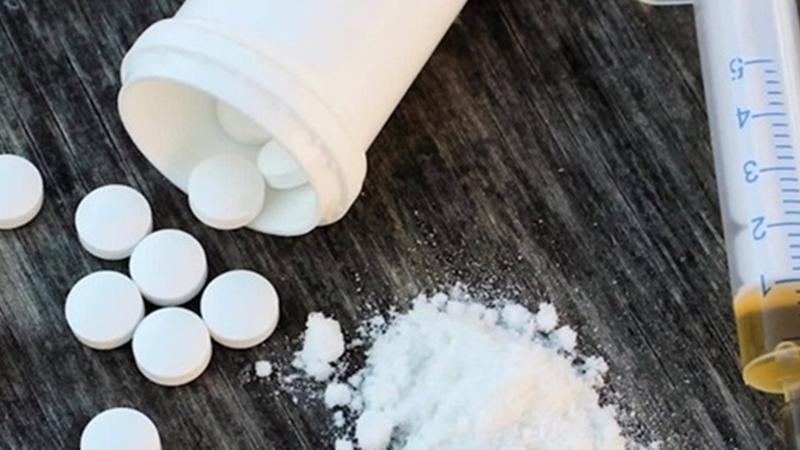
In the first 10 months of 2021, 33 people in Vernon have died due to illicit drug use.
The increase comes as four people in Vernon died due to overdoses in October.
Having reached 33, Vernon has now had more deaths in the first 10 months of 2021 than in any complete year. The second highest overdose death toll for Vernon was 27 in 2020, and that took into account the entire year.
Kelowna has had 60 deaths to the end of October, with 61 all of last year.
In all of British Columbia, there have been 1,782 illicit drug toxicity deaths in the first 10 months of 2021, as 201 were reported in October.
Again this figure is a new record.
In all of 2020, which had the highest overdose death toll on record, there were 1,765 British Columbians who died due to toxic drugs.
So far in 2021, males have accounted for 1,400, or 78 per cent, of the illicit drug deaths in B.C.
The B.C. Coroners report on illicit drug deaths states that the Thompson Cariboo health service delivery area had the second highest rate of death after Vancouver.
By local health area, the report says Enderby had one of the highest death rates, falling in behind Upper Skeena, Lillooet, Merritt and North Thompson.
Per 100,000 population, the Interior has an overdose death rate of 45, second only to Vancouver Coastal’s rate of 47.6. The overall rate of death in the province so far in 2021 is 41.2 per 100,000, which is more than double the rate of 20.4 recorded in 2016 at the beginning of B.C.’s overdose crisis.
Data from the Coroners Service shows that between 2018 and 2021, 55 per cent of illicit drug deaths occurred in a private residence, 25.5 per cent occurred in another residence , and 14.9 per cent occurred outside. Additionally, 1.6 per cent of B.C.’s illicit drug deaths occurred in a public building; 0.6 per cent happened in a medical facility; 0.3 per cent occurred in a correctional facility or police cell; and 1.7 per cent occurred in what is referred to as unknown settings.
During that same time period in the Interior, 63.3 per cent of overdose deaths happened in a private residence, 19.8 per cent at another residence, 3.4 per cent at other indoor locations, 12.3 per cent were outside and 1.2 per cent were unknown.
British Columbians aged 50-59 have the highest rate of drug deaths at 450 in 2021, followed by 30-39 year olds at 424, then 40-49 year olds at 390. Those trends can be seen when looking just at October, when 57 people aged 50-59 died, as did 43 people aged 30-39 and 42 British Columbians aged 40-49.
These figures show that an average of six people in British Columbia die every day due to illicit toxic drugs. Overdoses is B.C.’s second leading cause of death after cancer, and accounts for more than fatal vehicle collisions and suicides combined.
With these numbers continuing to climb, B.C.’s Chief Coroner, Lisa Lapointe, is renewing the call for decriminalization and creating a safe supply.
She said the concept of creating a safe supply to offset the illicit drugs that are becoming increasingly toxic has been met with some opposition, including from the public and from some health care providers who want to see more evidence it would be effective at preventing overdose deaths.
“We have six people dying every day, we known that the illicit drug supply is toxic, we don’t have time to wait months and years to continue to look for evidence that safe supply would work,” said Lapointe.
“We know from small projects, from small pilots, that it does work, that it is very successful, and I think people realize that if there was any thought that this would just turn itself around, I think that thought is long gone.”
She added that communities and health authorities running these safe supply projects have noted that these substances do not contribute to B.C.’s overdose crisis, unlike those supplied by illicit traffickers and dealers.
Lapointe said she believes this crisis needs urgent intervention on a provincial scale that involves all levels of government.
She noted that, having witnessed the distribution of COVID-19 vaccines in B.C. over the past year, it is apparent that if a safe supply were to be rolled out in the province it could be easily distributed to the communities most in need to support people and stop them from procuring and using illicit substances.
“The only way we are going to prevent [overdose] deaths is to ensure that people do not have to access the toxic drug supply,” said Lapointe. “That is the only way we are going to make a large scale difference in a short period of time.”
Additionally, Lapointe said there needs to be more public education, mental health support, better diagnostic tools and a framework for supporting people with addiction, but again says providing access to safe supply is the most immediate action the province should be taking.
She also said addiction and drug use is a health crisis and needs to be treated as such, rather than as a criminal matter.
The province has requested an exemption from the Controlled Substances Act to decriminalize possession of small quantities of illicit drugs for personal use, which Lapointe said is another crucial piece in combating the overdose crisis.
Lapointe also stated that more needs to be done to destigmatize addiction and drug use, as it does affect people of every socio-economic status.
Sheila Malcolmson, Minister of Mental Health and Addictions, calls the record number of deaths in October “heartbreaking.”
“No words can replace a loved one lost. I feel British Columbia’s grief and frustration. Almost every person in the province knows someone whose life has been touched by the poisoned drug crisis,” said Malcolmson.
The minister said the drug supply has become increasingly toxic.
“In 2012, illicit fentanyl was present in 5 per cent of the illicit drug toxicity deaths. This year, it has been detected in 85 per cent of drug toxicity deaths – this increase is staggering.”
The Vernon-based Emily Dahl Foundation, which promotes positive thinking and happiness, is saying there are other approaches than decriminalizing drugs, that should be tried.
“The current approaches will not work as they contain a deep lack of understanding of the way things truly are. Negative emotions are driving everything. Get to the root of the problem,” said Sherman Dahl of the foundation.